HCG Medicine: Uses, Side Effects and Precautions
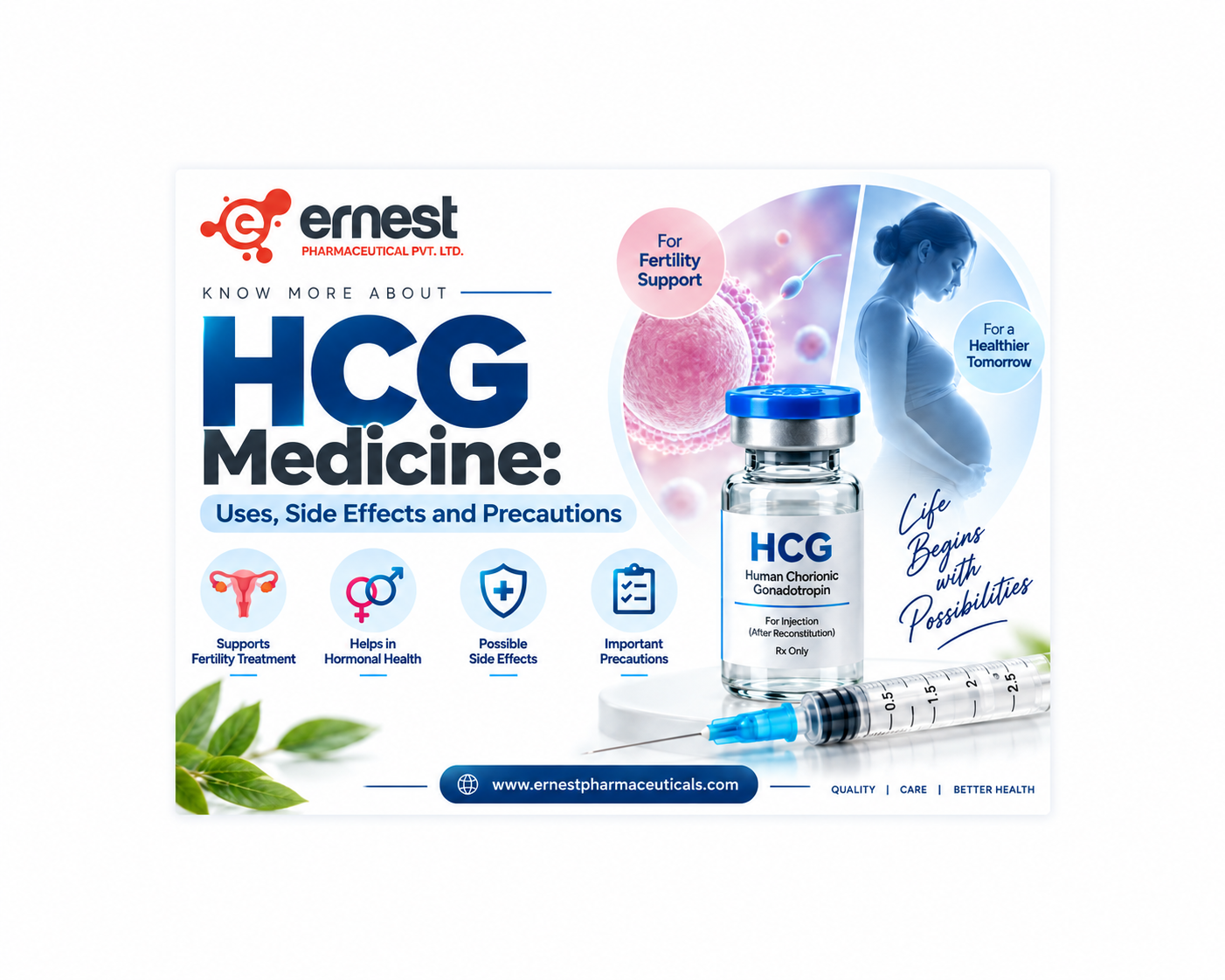
HCG Medicine: Uses, Side Effects and Precautions
Human chorionic gonadotropin, commonly known as HCG, is a hormone that has an important role in reproductive health. HCG medicines are prescription treatments that may be used in specific fertility-related conditions and certain hormone-related conditions in males. Because HCG affects the reproductive and hormonal systems, it should be used only when recommended and monitored by a qualified healthcare professional. For people researching HCG medicine, it is important to understand that its appropriate use depends on the patient's age, medical condition, hormonal status and treatment objective. The medicine should not be treated as a general-purpose supplement or used without professional guidance.
In this guide, we discuss what HCG is, its medical uses, potential benefits, possible side effects and important precautions.
What Is HCG Medicine?
HCG stands for human chorionic gonadotropin. It is a naturally occurring hormone associated with pregnancy, but medically prepared HCG can also be used as a prescription hormone treatment for specific conditions. HCG belongs to the group of gonadotropin hormones. Depending on the clinical situation, it can act on reproductive organs and stimulate processes involved in hormone production and reproductive function. Prescription HCG products are generally administered by injection and should be used according to the instructions provided by the healthcare professional and the specific product information. The FDA states that approved HCG products have specific medical uses and are not approved as weight-loss treatments.
HCG Medicine Uses
The exact use of HCG depends on the patient's condition and the treatment plan established by a healthcare professional.
1. Fertility Treatment
One important use of HCG is in fertility treatment. In women undergoing certain fertility treatments, HCG may be used as part of a treatment protocol to help trigger ovulation after appropriate follicular development. HCG may be used alongside other fertility medicines, so its administration and timing are determined through medical monitoring rather than self-treatment.
2. Certain Hormonal Conditions in Men
HCG can also have a role in treating selected hormone-related conditions in males. For example, HCG injections may be used in some cases of hypogonadotropic hypogonadism, where inadequate hormonal stimulation can affect testosterone production and fertility. MedlinePlus lists HCG injections among hormone treatments that may be used for hypogonadotropic hypogonadism. The appropriate treatment depends on the underlying cause, laboratory findings, and individual patient factors.
3. Reproductive Health Under Medical Supervision
Because HCG interacts with the body's reproductive hormone pathways, healthcare professionals may incorporate it into certain reproductive treatment plans. It is important to understand that HCG treatment is not the same for every patient. The reason for treatment, dose, timing, and duration can vary significantly depending on the medical condition and the specific HCG product being prescribed.
Potential Benefits of HCG Treatment
When prescribed for an appropriate medical indication, HCG may help support specific reproductive or hormonal goals.
Potential treatment benefits may include:
- Supporting ovulation as part of selected fertility treatment protocols
- Supporting hormone production in certain male hormonal conditions
- Helping address specific reproductive hormone deficiencies
- Supporting fertility-related treatment when clinically appropriate
These potential benefits should not be interpreted as guarantees. The outcome of HCG treatment depends on the underlying condition and the overall treatment plan. A healthcare professional may perform examinations and laboratory tests before and during treatment to determine whether HCG is appropriate and whether the treatment is producing the intended response.
HCG Injection: What Should You Know?
Unlike nutritional supplements, prescription HCG injections are medicines that require proper medical supervision. The route and method of administration depend on the particular product. Patients should follow the instructions supplied with their prescribed medicine and should not change the dose or frequency on their own. If you are researching HCG injections, it is especially important to check the product-specific prescribing information because different products can have different strengths, instructions and approved uses.
Do not assume that information about one HCG product automatically applies to another product.
Possible HCG Side Effects
Like other prescription medicines, HCG can cause side effects. The type and severity may differ between individuals and can also depend on the treatment setting.
Possible side effects may include:
- Headache
- Injection-site discomfort
- Fatigue
- Mood changes
- Breast tenderness or enlargement
- Fluid retention
- Abdominal discomfort
- Nausea
In women receiving fertility treatment, HCG can be associated with ovarian hyperstimulation syndrome (OHSS). OHSS can cause enlarged ovaries and fluid accumulation and may require medical attention when severe. Anyone experiencing severe abdominal pain, significant swelling, breathing difficulties, rapid weight gain or other concerning symptoms during fertility treatment should contact their healthcare provider promptly.
Important Precautions Before Using HCG
Before starting HCG treatment, tell your healthcare professional about your complete medical history and any medicines or treatments you are currently using. Particular care may be needed in people with certain medical conditions. FDA prescribing information notes that HCG can cause fluid retention and recommends caution in patients with conditions such as cardiac or renal disease, hypertension, epilepsy, migraine or asthma.
Your healthcare professional may also consider:
- Existing hormonal disorders
- Previous fertility treatment
- Kidney or heart conditions
- Blood pressure problems
- Allergies or previous reactions to medicines
- Other prescription or non-prescription medicines
- Current pregnancy or possibility of pregnancy
The purpose of these checks is to determine whether HCG is suitable and how treatment should be monitored.
Can HCG Be Used for Weight Loss?
This is an important point because HCG is sometimes promoted online as a weight-loss product. HCG should not be considered a weight-loss medicine. The FDA states that there are no FDA-approved HCG products for weight loss and that available evidence does not support HCG as an effective treatment for obesity. Products marketed as “homeopathic HCG” for weight loss should not be confused with prescription HCG medicines. Using HCG for an unapproved purpose can expose a person to unnecessary risks, particularly when combined with restrictive diets or other treatments. Anyone seeking treatment for obesity or weight management should discuss evidence-based options with a qualified healthcare professional.
HCG Medicine and Anabolic Steroids: Are They the Same?
No. HCG medicine and anabolic steroids are different types of treatments.
HCG is a hormone with specific effects on reproductive hormone pathways, while anabolic-androgenic steroids are synthetic substances related to testosterone and its effects. Although HCG may sometimes be discussed alongside anabolic steroid use in online forums, this does not mean the two medicines have the same purpose or that HCG should be used to manage the effects of anabolic steroids without medical supervision. If you are considering anabolic steroid medicines, speak with a qualified healthcare professional about the potential risks and appropriate monitoring rather than combining hormonal medicines independently.
How Should HCG Medicine Be Stored?
Storage requirements depend on the specific HCG product and formulation. Some products may require refrigeration or special handling after preparation. Always follow the storage instructions provided with the medicine or packaging. Avoid using a product if its appearance has changed unexpectedly, the packaging is damaged, or it has been stored outside the recommended conditions. If you are unsure whether an HCG medicine has been stored correctly, ask a pharmacist or healthcare professional before using it.
Why Medical Supervision Matters
HCG affects hormone pathways, so treatment should not be based solely on information found online. A healthcare professional may evaluate symptoms, medical history and laboratory results before recommending treatment. During treatment, monitoring may be needed to assess the response and identify potential complications. This is particularly important in fertility treatment, where the timing and amount of hormone treatment can influence the response of the reproductive system. Using more medicine than prescribed does not necessarily produce better results and may increase the risk of adverse effects.
Frequently Asked Questions About HCG Medicine
What is HCG medicine used for?
HCG medicine is used for specific medical conditions, including selected fertility treatments in women and certain hormone-related conditions in men. The exact indication depends on the patient's condition and the product being prescribed.
Is HCG a steroid?
No. HCG is a hormone called human chorionic gonadotropin. It is different from anabolic steroids.
Can HCG be used for weight loss?
HCG is not an FDA-approved weight-loss treatment. The FDA states that there is no substantial evidence supporting HCG as an effective treatment for obesity.
Can HCG cause side effects?
Yes. HCG can cause side effects, and the risks depend on the individual and the treatment setting. Fertility treatment involving HCG can, for example, be associated with ovarian hyperstimulation syndrome.
Should HCG injections be taken without a prescription?
No. HCG treatment should be used under the direction of a qualified healthcare professional. Prescription HCG products have specific indications, administration instructions and precautions.