Pharmaceutical Packaging and Global Supply Chain Challenges
Pharmaceutical Packaging and Global Supply Chain Challenges
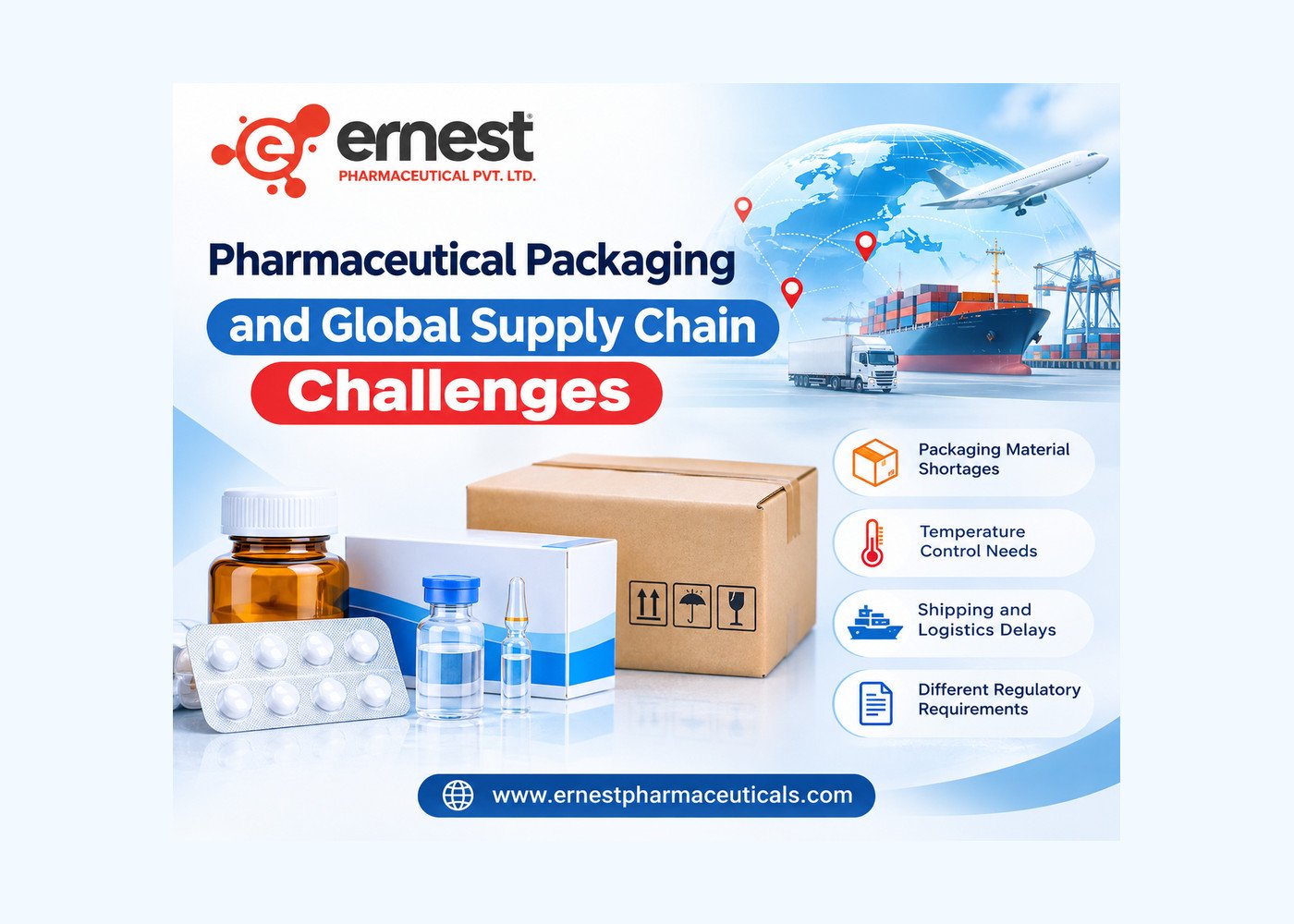
Pharmaceutical packaging plays an important role in protecting medicines from the time they are manufactured until they reach hospitals, pharmacies, and patients. A medicine may travel through several warehouses, airports, and distribution centers before reaching its final destination. Throughout this journey, its packaging must help protect it from damage, moisture, light, and other conditions that could affect its quality. Today, the global pharmaceutical supply chain faces several challenges. Shortages of packaging materials, rising transportation expenses, shipping delays, and different regulatory requirements can make medicine distribution more difficult. Understanding these challenges is important because packaging is not simply about how a medicine looks. It is part of keeping medicines protected and making sure important product information remains available throughout the supply chain.
Why Is Pharmaceutical Packaging Important?
Think about a medicine bottle travelling from a manufacturing facility to a pharmacy in another country. Along the way, the shipment may be loaded onto trucks, stored in warehouses, and handled at customs checkpoints. If the packaging is unsuitable, it may expose the product to conditions that it was not designed to withstand. Different medicines need different types of protection. Tablets may need packaging that limits moisture exposure, while certain injections require containers designed to maintain sterility. Some medicines must also be protected from light.
Pharmaceutical packaging generally has three levels.
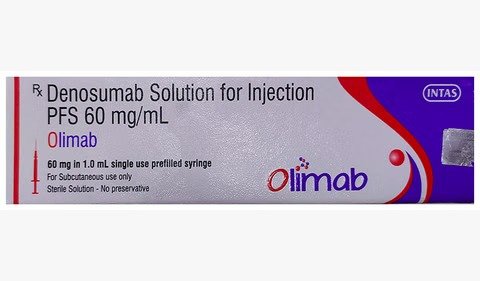
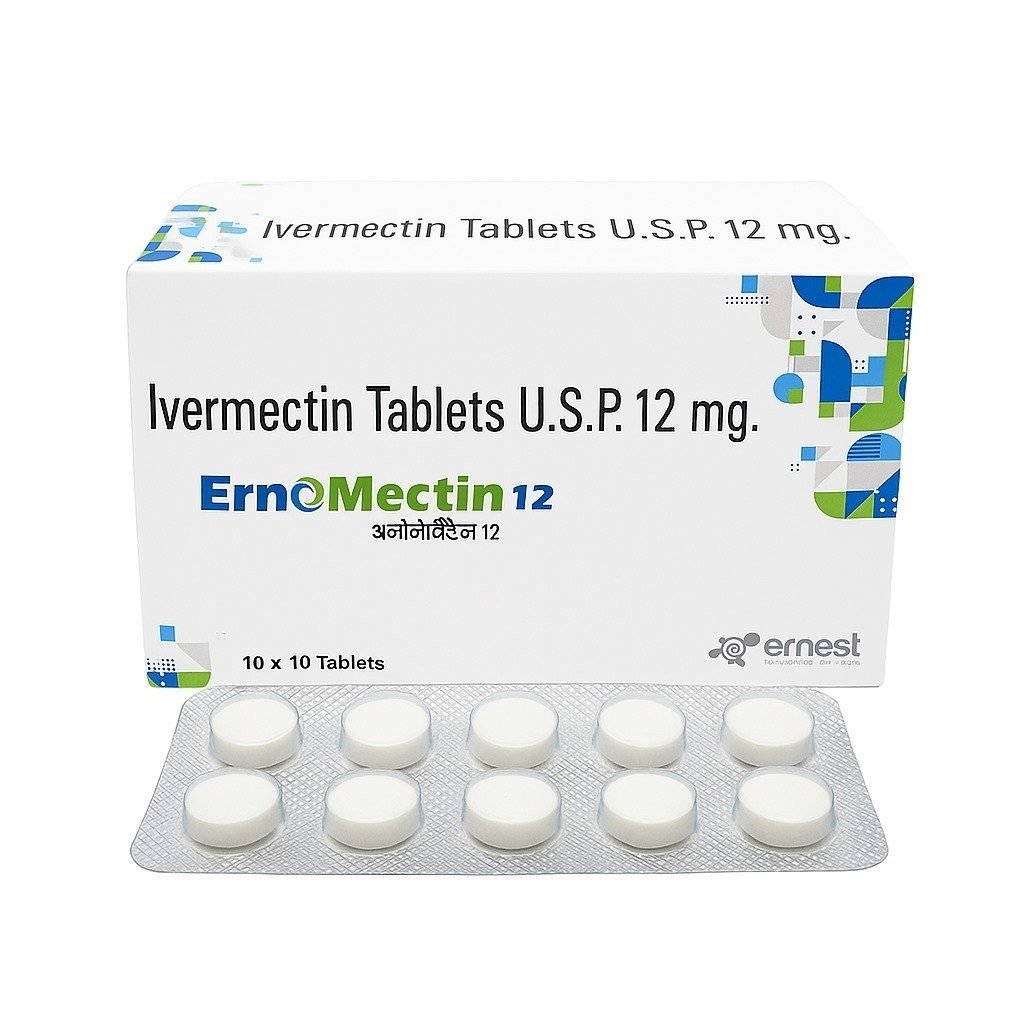
Primary packaging comes into direct contact with the medicine. Examples include blister packs, glass vials, ampoules, and medicine bottles.
Secondary packaging includes cartons or boxes that hold the primary packaging. These often display product information, batch numbers, expiry dates, and instructions.
Tertiary packaging is used for storage and transportation. Shipping cartons, pallets, and protective materials assist in keeping products safe throughout handling and delivery. Each level has a different purpose, but all three contribute to the movement of medicines through the supply chain.
1. Shortages of Packaging Materials
One of the issues in pharmaceutical manufacturing is ensuring a consistent supply of packaging materials. Medicines depend on materials such as glass, aluminum foil, plastic containers, rubber closures, paperboard, and specialized films. These materials may come from different manufacturers and countries. When a packaging supplier experiences production problems or delivery delays, pharmaceutical manufacturers may find it difficult to maintain their planned production schedules. For example, a manufacturer may have the ingredients and equipment needed to produce a medicine but still be unable to complete the finished product because the required blister foil or vial closures are unavailable. Finding a replacement is not always straightforward. Pharmaceutical packaging materials must meet the specifications established for the product. Changing a container, closure, or packaging material may require additional compatibility testing, stability assessment, or regulatory review. This means manufacturers cannot always switch to another packaging supplier as easily as businesses in less regulated industries.
2. Shipping Delays and International Transportation
Moving medicines between countries involves several stages. After leaving the manufacturing facility, a shipment may pass through a distribution warehouse, a transport hub, an airport, or a seaport before reaching the importer. Delays can occur because of transport disruptions, customs procedures, limited cargo capacity, or incomplete documentation. These delays can create difficulties for medicines that have strict storage requirements or limited remaining shelf life. For example, a shipment that takes longer than expected may require additional storage arrangements. The receiving company may also need to review whether the medicine still meets its agreed shelf-life requirements. Good planning helps reduce these problems. Before dispatch, the parties involved should understand the expected route, required documents, packaging specifications, and handling instructions. Clear communication between the manufacturer, exporter, logistics provider, and importer is especially important when a shipment faces an unexpected delay.
3. Temperature Control During Medicine Transportation
Not all medicines can be transported under the same conditions. Some products are suitable for storage within specified ambient temperature ranges. Others require refrigerated or frozen conditions. Vaccines, certain biological treatments, and injectable medications may require certain temperature limits, depending on the approved storage instructions. Temperature-sensitive pharmaceutical packaging is designed to help maintain the required conditions during transportation. This may involve insulated containers, qualified shipping systems, suitable cooling materials, and temperature-monitoring devices. However, packaging alone does not guarantee that a medicine has remained within its required temperature range. The shipping system must be appropriate for the product, route, and expected transportation time. If a shipment experiences a temperature excursion, the affected stock should be assessed through an appropriate quality process before it is released for use or distribution. This is why cold-chain planning must begin before a shipment leaves the supplier.
4. Different Packaging and Labelling Rules Across Countries
A medicine approved for sale in one country may have different packaging or labeling requirements in another. Depending on the market, labels may need to include specific warnings, product registration information, manufacturer details, local-language instructions, or other required information. Some markets also have requirements for serialization, tamper-evident packaging, or product traceability. These differences can make international pharmaceutical distribution more complicated. A manufacturer supplying several countries may need to prepare different packaging versions for the same medicine. For importers, checking the destination country's requirements before confirming an order is important. A product should not be assumed to be suitable for another market simply because it is already sold elsewhere.
5. Protecting Medicines From Physical Damage
Pharmaceutical shipments may undergo several handling activities before delivery. Cartons can be stacked, moved by forklifts, transferred between vehicles or stored in distribution facilities. Poor handling or unsuitable transport packaging can result in damaged cartons, broken containers, or compromised packaging seals. Glass vials and ampoules are particularly vulnerable to breakage if they are not packed appropriately. However, even medicines supplied in plastic bottles or blister packs can be affected by unsuitable handling. Transport packaging should therefore be selected according to the product's characteristics, weight, fragility, and distribution conditions. At the receiving stage, warehouse teams should inspect shipments for visible damage and follow established procedures when a packaging problem is identified. A damaged outer carton does not always mean the medicine inside is unusable, but it should not automatically be ignored either. The condition of the product and its packaging must be assessed according to the applicable quality requirements.
6. The Growing Interest in Sustainable Pharmaceutical Packaging
Many industries are looking for ways to reduce packaging waste, and the pharmaceutical sector is no exception. Companies are exploring opportunities to use packaging materials more efficiently, reduce unnecessary transport packaging, and improve waste management. However, pharmaceutical packaging presents challenges that are different from ordinary consumer packaging. The priority must remain medicine quality, safety, and regulatory compliance. A recyclable material may appear environmentally attractive, but it cannot simply replace an existing pharmaceutical container without considering whether it provides the required protection. For example, changes to packaging may affect moisture protection, light resistance, container compatibility, or product stability. Sustainable packaging decisions therefore need to balance environmental goals with the technical requirements of medicines. Reducing unnecessary packaging is useful only when product protection and compliance are maintained.
7. How Packaging Problems Affect Medicine Availability
Packaging-related problems can influence the wider pharmaceutical supply chain. If a manufacturer cannot obtain suitable packaging materials on time, it may delay the availability of finished products. If shipments sustain damage during transportation, the company may need to order replacement stock. If imported products do not meet local labeling requirements, additional regulatory or operational issues may arise. These problems can affect distributors, hospitals, pharmacies, and ultimately the availability of medicines for patients. The effects may be greater when a medicine has limited alternative sources or when demand is difficult to predict. For this reason, pharmaceutical supply planning should consider packaging availability alongside raw materials, manufacturing capacity, and transportation arrangements. Packaging is not a separate issue that begins only after manufacturing is complete. It is part of the wider production and distribution process.
8. Practical Ways to Reduce Packaging and Supply Chain Risks
There is no single solution to every packaging challenge. However, several practical measures can help companies prepare for disruptions.
Plan packaging requirements early. Manufacturers should consider packaging-material availability when preparing production schedules rather than waiting until finished medicines are ready.
Review supplier reliability. Packaging suppliers should be evaluated according to relevant quality requirements, supply capability and performance.
Maintain accurate product information. Clear specifications help reduce confusion about packaging materials, labelling and handling requirements.
Check transport conditions. Shipping arrangements should reflect the medicine's approved storage requirements and the expected distribution route.
Prepare for delays. Contingency planning can help companies respond when transportation or material supplies are disrupted.
Review receiving procedures. Product and packaging checks at delivery can help identify damage, discrepancies, and handling concerns. These measures cannot prevent every disruption, but they support better planning and more consistent decision-making.
9. What Could Change in Pharmaceutical Packaging?
Pharmaceutical packaging continues to develop as manufacturers look for ways to improve product protection, traceability, and operational efficiency. Digital tracking systems can support visibility across distribution networks. Temperature-monitoring technologies can provide useful information about conditions experienced during transport. Serialization and product identification systems also play an important role in certain regulated markets. At the same time, manufacturers continue to evaluate packaging materials and designs that may reduce waste or improve handling. Not every new technology is suitable for every medicine. Any packaging change must be assessed according to product requirements, technical evidence, and applicable regulations. The future of pharmaceutical packaging is therefore likely to involve a combination of established quality practices, improved monitoring and carefully evaluated innovations.
Conclusion
Pharmaceutical packaging is an important part of medicine manufacturing, storage, and distribution. From material shortages and international shipping delays to temperature control and labelling requirements, packaging decisions can affect how medicines move through the global supply chain. A well-designed package must do more than hold a product. It must provide the protection required for the medicine and support safe handling throughout its intended distribution journey. As pharmaceutical supply networks become more complex, early planning, appropriate packaging specifications, and clear communication between supply chain partners will remain important.
Frequently Asked Questions
1. What is pharmaceutical packaging?
Pharmaceutical packaging refers to the containers and protective materials used to hold, identify, store, and transport medicines. It includes primary containers, secondary cartons, and shipping packaging.
2. Why is packaging important in the pharmaceutical supply chain?
Packaging helps protect medicines from environmental exposure, contamination risks, and physical damage. It also supports product identification, traceability, and the communication of important information.
3. What are the common challenges in pharmaceutical packaging?
Common challenges include packaging-material shortages, transportation delays, changing regulatory requirements, temperature control, and the need to maintain suitable product protection.
4. How do shipping delays affect pharmaceutical products?
Shipping delays can increase transport time, create storage challenges, and affect delivery schedules. Their impact depends on the medicine's storage requirements, packaging system, and remaining shelf life.
5. What is cold-chain pharmaceutical packaging?
Cold-chain packaging refers to packaging and shipping systems designed to help maintain specified low-temperature conditions for medicines that require them during transportation.
6. Can sustainable materials replace traditional medicine packaging?
Some alternative materials may be suitable, but any change must be evaluated for compatibility, product protection, stability and regulatory compliance. Sustainability alone is not enough to establish suitability.
7. How can pharmaceutical companies reduce packaging-related supply risks?
Companies can improve planning, qualify suitable packaging suppliers, maintain clear specifications, assess transportation requirements, and establish procedures for handling delays or damaged shipments.