Early Warning Signs of Cancer You Shouldn't Ignore
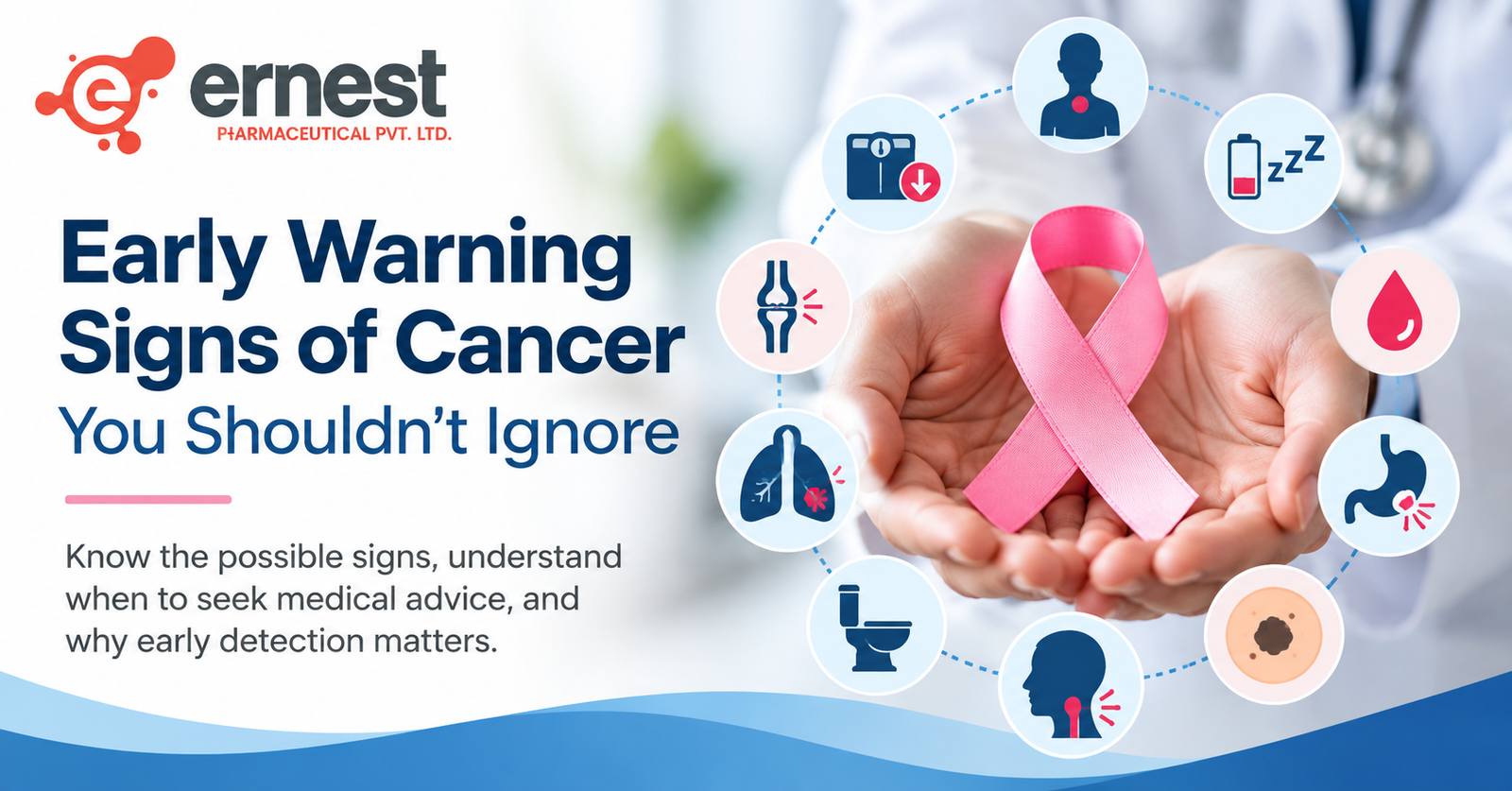
Early Warning Signs of Cancer You Shouldn't Ignore
Have you ever noticed a small change in your health and wondered whether it was something serious? Maybe you have been feeling tired for weeks, losing weight without trying, or dealing with discomfort that keeps returning. Most of the time, these changes have explanations unrelated to cancer. Still, knowing which signs to look for can help. The early warning signs of cancer are not always obvious. Some people notice changes in their energy, appetite, skin, or everyday bodily functions. Others may have no noticeable symptoms at all. Being aware of these changes does not mean you need to worry about every ache or unusual feeling. It simply lets you realise when you should consult with your doctor. Let's look at ten possible warning signs and what they could mean for your health.
1. Losing Weight Without Trying
Weight normally changes with eating habits, physical activity, and daily routines. But what happens when your weight keeps dropping even though nothing in your lifestyle has changed? Unplanned weight loss can happen for several reasons, including digestive disorders, diabetes, thyroid problems, and certain cancers. Some people with cancers affecting the stomach, pancreas, lungs, or oesophagus may lose weight without deliberately trying to do so. You may notice that your clothes are becoming loose, your appetite has decreased, or you feel full after eating less than usual. A loss of around 5% of your body weight over six to twelve months without a known cause is worth discussing with a healthcare professional.
2. Feeling Tired Even After Enough Sleep
A long working day, poor sleep, or a stressful week can leave anyone feeling exhausted. Usually, proper rest helps us recover. But some people continue to feel unusually weak even after sleeping well or taking time off from their normal activities. This kind of ongoing tiredness is sometimes called persistent fatigue. It may make ordinary tasks, such as walking, cooking, or working, feel more difficult than before. Fatigue can be connected to many conditions, including low haemoglobin, nutritional deficiencies, thyroid disorders, and certain cancers. If your energy levels have changed noticeably and you cannot identify a reason, consider getting medical advice. For a better understanding of everyday tiredness, you can also explore causes of persistent fatigue and weakness.
3. Finding a New Lump or Swelling
A lump is not always a sign of a serious illness. For example, lymph nodes can become swollen during infections, while cysts and other harmless growths may develop beneath the skin. However, a lump that appears unexpectedly, increases in size, or remains present should be examined. Such changes may occur in the breast, neck, underarm, groin, testicles, or elsewhere on the body. Some lumps feel soft and movable, while others may be firm. Their appearance or texture alone cannot reliably tell you whether they are cancerous. A doctor can examine the area and determine whether further investigation is needed.
4. Noticing Changes in Toilet Habits
Most people have a fairly familiar routine when it comes to bowel movements and urination. An occasional change may happen because of food, travel, medicines, dehydration, or an infection. But a noticeable change that continues without a clear explanation should not be overlooked. For example, you might experience constipation or diarrhoea more frequently than usual. You may also notice blood in your stool, difficulties passing urine, or a change in how frequently you urinate. Certain bowel symptoms can occur with colorectal cancer, while some urinary changes may be associated with conditions affecting the bladder or prostate. However, many non-cancerous conditions can cause the same problems. If you see blood in your urine or stool, even just once, see a health care provider to evaluate it. You can read more about common digestive problems and their symptoms to understand other possible causes.
5. Bleeding That Happens Unexpectedly
Bleeding from an unusual place or at an unexpected time can be unsettling. It may result from an infection, inflammation, hormonal changes, or another medical condition. In some situations, it can also be associated with cancer. This may be bleeding after menopause, blood in the urine, blood in the stool or coughing up blood. Some women may also experience bleeding between menstrual periods or unusual blood-stained vaginal discharge. These symptoms have different possible causes, so the right medical assessment depends on where the bleeding occurs and whether other symptoms are present. Bleeding after menopause should always be evaluated. Coughing up blood also needs to be seen by a doctor immediately. If bleeding is heavy, or you have severe breathing difficulty, seek emergency medical care.
6. A Cough or Voice Change That Stays for Weeks
Coughs are a familiar part of colds, seasonal infections, allergies, and respiratory illnesses. In many cases, they gradually settle. A cough that continues for several weeks, however, may require closer examination. The same applies if your voice becomes hoarse and does not return to normal. Some people may also experience chest discomfort, breathlessness, or blood in their mucus. Although these symptoms can occur with lung or throat cancers, they are much more commonly linked to conditions such as respiratory infections, asthma, or acid reflux. If the cough lasts longer than three weeks or if hoarseness continues, get a medical assessment. The purpose is to find the cause rather than assume the worst.
7. A Mole That Looks Different Than Before
Your skin changes throughout life. New spots may appear, and existing marks can sometimes look different as you get older. However, certain changes deserve attention, particularly when they affect a mole or an unusual skin growth. A mole may become larger, develop uneven edges, show several colours, or begin itching or bleeding. Doctors oftenuse the ABCDE approach when evaluating potentially suspicious moles:
- Asymmetry: The two halves do not look alike.
- Border: The outline appears uneven or poorly defined.
- Colour: Different shades are visible within the same mole.
- Diameter: The spot is larger than about 6 mm, although melanoma can also be smaller.
- Evolving: The mole changes over time.
These features can help identify skin changes that need examination, but they cannot diagnose skin cancer. A new growth, a changing mole, or a skin lesion that repeatedly bleeds should be checked by a dermatologist.
8. Trouble Swallowing or Ongoing Digestive Discomfort
Eating should not regularly feel difficult or uncomfortable. Occasional heartburn or indigestion can happen after a large meal, but repeated problems deserve attention. Some people feel as though food is moving slowly down their throat. Others experience pain when swallowing, frequent indigestion, or a sensation of becoming full after only a small meal. These symptoms can occur with acid reflux, inflammation, narrowing of the oesophagus, and several other medical conditions. In some cases, persistent swallowing difficulties may be associated with cancers affecting the oesophagus or nearby digestive organs. Difficulty swallowing should be medically evaluated, especially if it is getting worse.
9. Pain That Continues Without a Clear Reason
Pain is one of the body's ways of telling us that something may need attention. A sore back after lifting something heavy or a headache after a stressful day may have a simple explanation. But pain that develops without an obvious cause, keeps returning, or gradually becomes more severe is worth investigating. Depending on the situation, it may affect the abdomen, back, bones, head, or other parts of the body. Cancer is only one of many possible causes of persistent pain. Muscle problems, inflammation, nerve conditions, and digestive disorders are also common explanations. Pay particular attention when pain starts interfering with sleep, work, or normal movement. A healthcare professional can assess the symptoms and recommend appropriate tests if necessary. You may also find why headaches keep coming back useful for understanding common reasons for recurring headaches.
10. A Mouth Ulcer or Skin Wound That Won't Heal
Small cuts and mouth ulcers are common, and many heal without complications. However, a sore that remains for an unusually long time, returns repeatedly, or begins bleeding needs attention. For example, a mouth ulcer that has not healed after three weeks should be examined by a doctor or dentist. Other changes may include persistent white or red patches inside the mouth, unusual thickening of tissue, or a skin wound that fails to close. Such problems can develop because of infections, diabetes, circulation difficulties, or other conditions. Occasionally, they may be related to oral or skin cancer. Getting the area examined is the safest way to understand what is happening.
Can These Warning Signs Occur Without Cancer?
Yes, and this is an important point to understand. Many symptoms associated with cancer also appear in everyday medical conditions. Someone with low iron levels may feel exhausted. A person with a thyroid disorder may lose weight. Acid reflux may lead to coughing or swallowing discomfort. Having one of these symptoms does not confirm cancer. Doctors consider several factors before making a diagnosis, including how long the symptom has been present, the person's medical history, physical examination findings, and any necessary tests. Instead of trying to identify a serious disease from a single symptom, focus on recognising changes that are unusual for you.
How Does Finding Cancer Early Help?
For several types of cancer, diagnosis at an earlier stage can improve treatment options and outcomes. When cancer is identified before it has spread, treatment may be more effective, although this depends on the specific cancer and the person's overall health. There are two important parts of early detection. The first is paying attention to possible symptoms and seeking medical advice when needed. The second is participating in recommended cancer screening. Screening tests are used to look for certain cancers or changes that may develop into cancer in people who do not have symptoms. Depending on personal risk and local medical guidelines, screening may be recommended for breast, cervical, colorectal, or certain high-risk lung cancers. Not every cancer has an established screening test, and routine general health checkups do not replace cancer-specific screening. Learning about preventive healthcare and regular screening can help you prepare for a discussion with your doctor.
When Is It Time to Consult a Doctor?
You do not need to wait until several warning signs appear together. If something feels different from your usual health and the change continues, it is reasonable to seek advice. For example, a new breast lump, unexplained bleeding, difficulty swallowing, or a noticeable change in a mole should be assessed rather than ignored. Other symptoms, such as tiredness or digestive discomfort, may also need evaluation when they continue, worsen, or interfere with daily life. The sooner an unexplained health problem is assessed, the sooner its cause can be understood.
Frequently Asked Questions
1. What changes in the body can be possible signs of cancer?
Some possible signs include unexpected weight loss, ongoing tiredness, unusual lumps, abnormal bleeding, changes in bowel habits, and sores that do not heal. These symptoms can also have many non-cancerous causes.
2. Is it possible to have cancer and still feel healthy?
Yes. Certain cancers may not produce noticeable symptoms during their early development. Appropriate screening can help identify some cancers before symptoms begin.
3. Should I worry if I feel tired every day?
Daily tiredness does not necessarily indicate cancer. Sleep problems, stress, anaemia, and other health conditions may be responsible. If the tiredness is persistent or unusual, a medical evaluation can help.
4. Are all lumps dangerous?
No. Many lumps are caused by benign conditions, such as cysts or swollen lymph nodes. Nevertheless, any new, growing, or unexplained lump should be checked.
5. Can a blood test detect every type of cancer?
No. There is no single routine blood test that reliably identifies every type of cancer. Diagnosis may involve imaging, laboratory investigations, biopsy, or other tests depending on the suspected condition.
6. Why is cancer screening important even without symptoms?
Screening can identify certain cancers or precancerous changes before a person notices anything unusual. The appropriate test and screening schedule depend on factors such as age, risk, and medical guidelines.
Conclusion
Small changes in health are easy to dismiss, especially when they do not cause much discomfort. However, recognising the early warning signs of cancer can help people make informed decisions about when to seek medical care. Unexpected weight loss, a new lump, unusual bleeding, lasting fatigue, and other unexplained symptoms do not automatically indicate cancer. They are simply reasons to pay closer attention and, when appropriate, consult a healthcare professional. Staying aware of your health, following recommended screening guidelines, and seeking timely medical advice are meaningful steps towards better long-term well-being.