What Is Cancer and How Does It Develop in the Body?
What Is Cancer and How Does It Develop in the Body?
Cancer is a disease that can affect almost any part of the human body. It begins when certain cells start growing and dividing without following the body's normal controls. Over time, these abnormal cells may form a tumor or spread to other areas. Many people have heard of cancer, but they may not understand how it develops in the body, what causes it, or how it affects normal cells. Understanding the basics of cancer can help people recognize possible warning signs, learn about risk factors, and understand why early medical attention matters.
What Is Cancer?
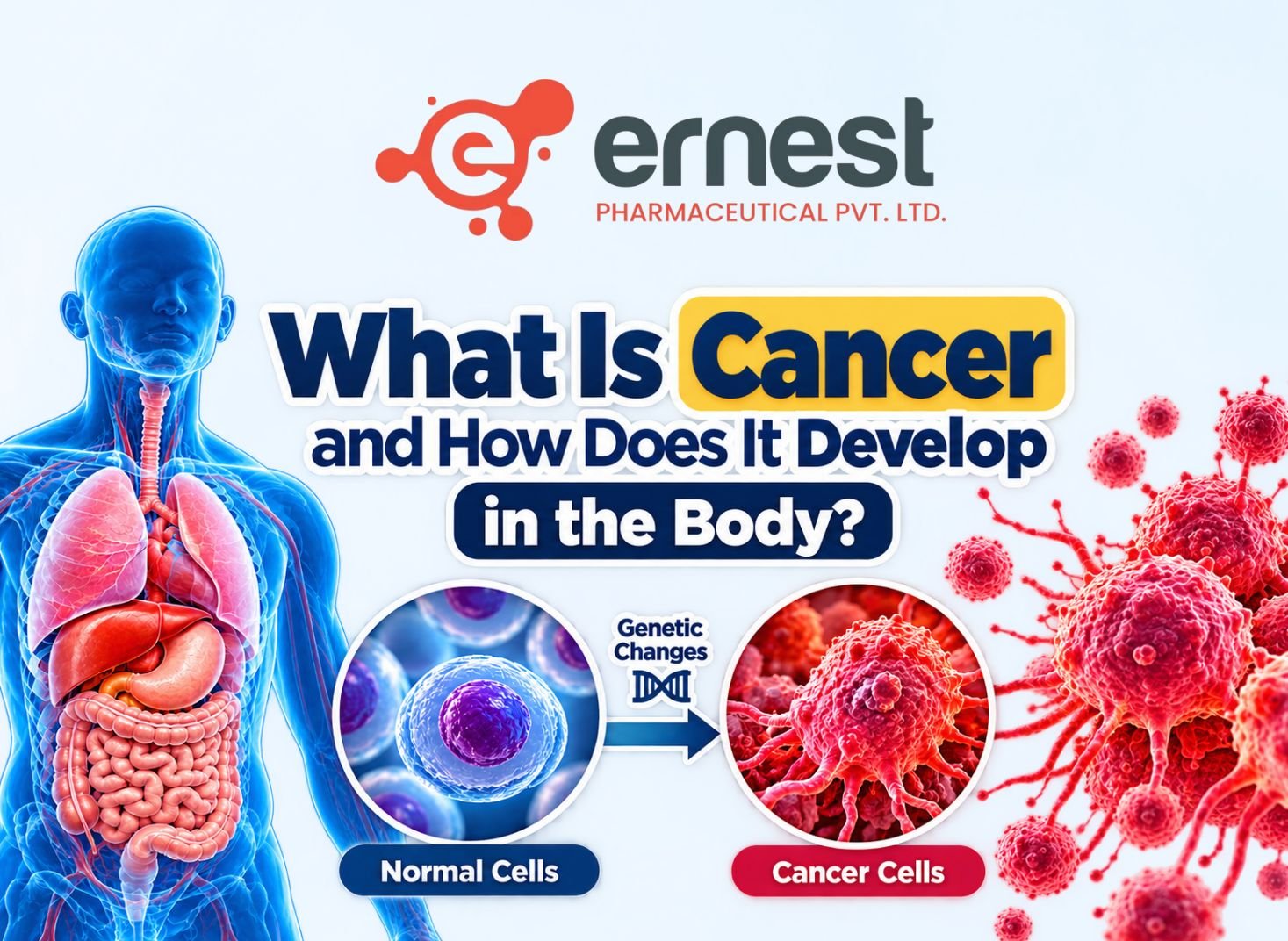
Cancer develops when some cells in the body begin growing unusually and continue multiplying without normal control. In a healthy body, new cells are formed when needed, while old or damaged cells are removed. This natural process helps different organs and tissues stay healthy and perform their functions properly. In cancer, some cells stop responding to the signals that normally control their growth. They may continue multiplying even when the body does not need additional cells. These abnormal cells can sometimes form a mass called a tumor. However, not every cancer forms a solid tumor. Blood cancers, such as leukemia, usually affect blood-forming tissues rather than producing a solid mass. Cancer can develop in different organs, including the lungs, breast, colon, liver, stomach, and skin.
How Does Cancer Develop in the Body?
Cancer development usually happens through several changes inside a cell. These changes can build up over time, sometimes taking many years before the disease becomes noticeable.
1. Changes Begin in a Normal Cell
The human body contains trillions of cells. Each cell has DNA, which carries instructions for how the cell should grow, function, and divide. Sometimes, changes occur in this DNA. These changes are called genetic mutations. Mutations may happen naturally when cells divide or may result from exposure to harmful substances and other environmental factors. Most DNA changes do not lead to cancer because the body has ways to repair damage or remove abnormal cells.
2. Abnormal Cells Continue to Multiply
When certain DNA changes affect the genes that control cell growth, a cell may begin dividing more often than it should. Normal cells usually stop dividing when they receive signals from surrounding tissues. Some cancer cells lose the ability to respond properly to these signals. As a result, abnormal cells may continue increasing in number.
3. A Tumor May Begin to Form
As abnormal cells multiply, they may collect in one area and form a tumor.
There are two main types of tumors:
- Benign Tumors: These growths are not cancer. They usually stay in one place and do not spread to other areas of the body.
- Malignant Tumors: These growths contain cancer cells that can grow into nearby tissues and sometimes move to other parts of the body.
Not every lump is cancer. A healthcare professional may recommend tests to better understand the nature of a growth.
4. Cancer May Invade Nearby Tissues
As cancer develops, abnormal cells may begin spreading into the healthy tissues around them. This is known as local invasion. When these cells enter nearby tissues, they can affect how the surrounding organs and body parts normally work.
5. Cancer Can Spread to Other Parts of the Body
Sometimes, cancer cells move away from where they first developed and reach other parts of the body by travelling through the bloodstream or the lymphatic system. When these cells settle and grow in another part of the body, the process is called metastasis. For example, breast cancer that spreads to the bones is still considered metastatic breast cancer, not a new type of bone cancer. Not all cancers spread, and the likelihood of spreading depends on the cancer type and its biological characteristics.
What Causes Cancer?
Cancer does not develop for just one reason. It can begin when changes occur in the body's cells, sometimes influenced by inherited genes, surroundings, harmful exposures, or the natural aging process. Some recognized causes and risk factors of cancer include:
Tobacco Use
Smoking or using tobacco in other forms can harm healthy cells by damaging their DNA. Over time, this damage may increase the risk of developing cancer in the lungs, mouth, throat, or bladder.
Excessive Ultraviolet Radiation
Too much exposure to ultraviolet radiation from sunlight or tanning devices can damage skin cells and increase the risk of skin cancer.
Certain Infections
Certain infections may also play a role in the development of cancer. For example, human papillomavirus (HPV) can increase the risk of cervical cancer and some other cancers. Long-term infections with hepatitis B or hepatitis C can also increase the chances of developing liver cancer.
Family History and Inherited Genes
Some people are born with genetic changes that make them more likely to develop certain types of cancer. However, most cancer cases develop because of changes in the body's cells over time, rather than genetic changes passed down from parents.
Ageing
Cancer becomes more common with increasing age because DNA changes can accumulate over time.
Lifestyle and Environmental Factors
Some lifestyle habits and environmental conditions can increase the risk of cancer. These include regular alcohol consumption, excess body weight, limited physical activity, and exposure to harmful chemicals in certain workplaces. Exposure to some types of radiation can also contribute to cancer development. However, having these cancer risk factors does not mean a person will definitely develop cancer. The disease may also develop in people who have no known risk factors.
What Are the Common Types of Cancer?
Cancer is classified according to the cells or tissues where it begins.
Carcinoma: This type begins in epithelial cells that cover the body's internal and external surfaces. Many breast, lung, prostate, and colon cancers are carcinomas.
Sarcoma: Sarcomas begin in connective or supporting tissues, such as bones, muscles, fat, and certain soft tissues.
Leukemia: Leukemia generally begins in blood-forming tissues, such as the bone marrow, and affects the production of blood cells.
Lymphoma: Lymphoma develops in lymphocytes, which are immune cells found in the lymphatic system and elsewhere in the body.
Melanoma: Melanoma develops from melanocytes, the cells that produce skin pigment. It can also occur in certain other tissues. Different cancers affect the body in different ways, so doctors choose the tests and treatments based on the specific type of cancer.
What Are the Early Signs and Symptoms of Cancer?
The early signs of cancer depend on the affected organ and the type of disease. Some cancers cause noticeable symptoms, while others may develop without obvious warning signs.
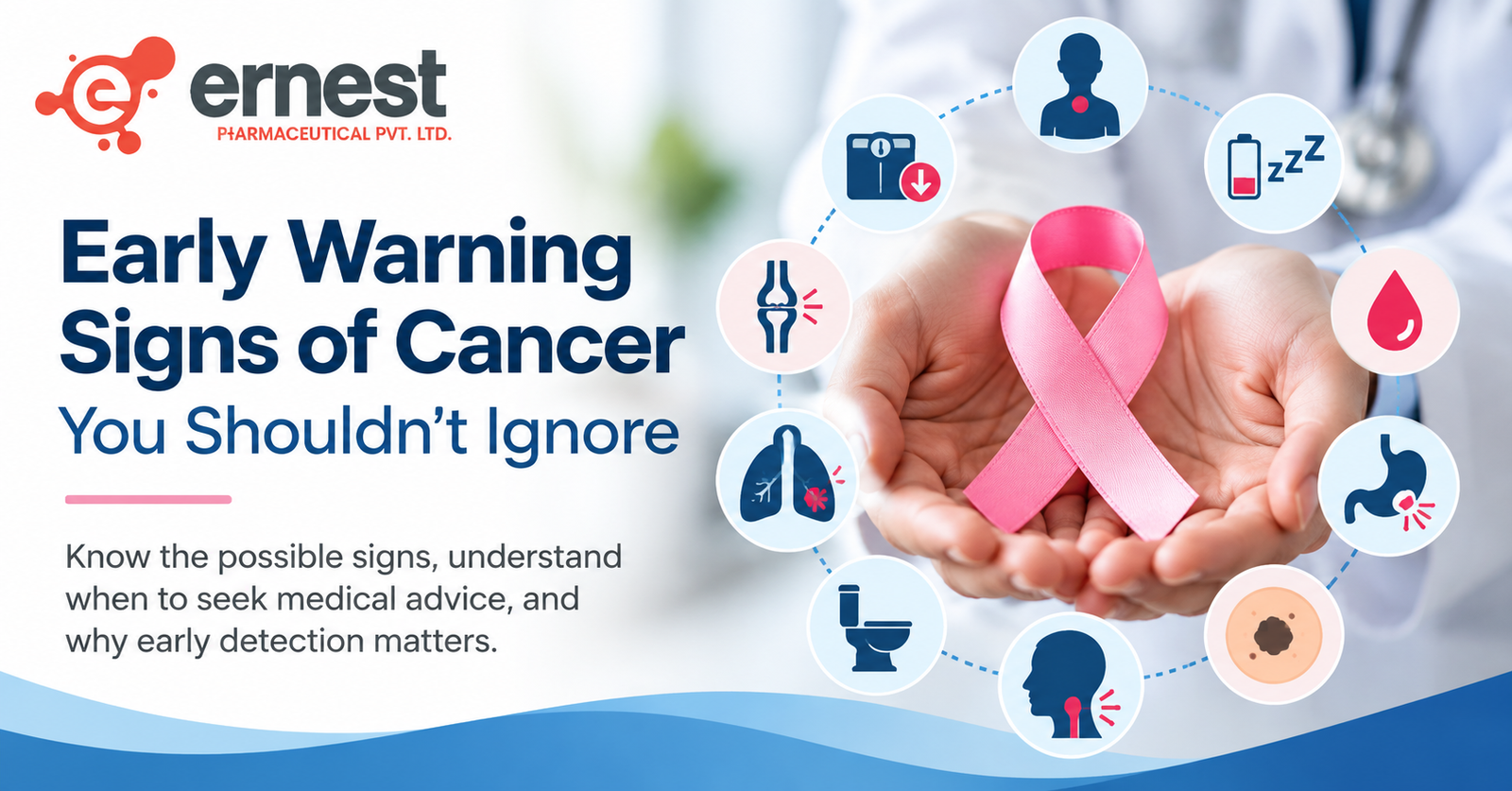
Possible symptoms include:
- Unexplained weight loss
- Persistent tiredness
- A new lump or unusual swelling
- Changes in bowel or bladder habits
- Blood in the urine or stool
- A cough that does not go away
- Difficulty swallowing
- Unusual bleeding
- A sore that does not heal
- Changes in an existing mole
These symptoms can also occur with many non-cancerous medical conditions. A symptom does not automatically mean cancer. However, you should discuss persistent, unexplained, or worsening changes with a qualified healthcare professional.
How Does Cancer Affect the Body?
The effects of cancer depend on its location, size, type, and stage. A growing tumor may press against nearby organs, blood vessels, or nerves. This can cause pain, swelling, or difficulty with normal body functions. Some cancers affect how the body uses energy and nutrients. Others may interfere with blood cell production, hormone levels, or immune function. For example, lung cancer may affect breathing, while certain blood cancers may cause anemia or increase the risk of infections. The symptoms and complications vary greatly from one patient to another.
How Is Cancer Diagnosed?
Cancer diagnosis usually involves a combination of medical history, physical examination, and appropriate tests.
Physical Examination and Medical History
A doctor may ask about symptoms, family history, lifestyle factors, and previous medical conditions.
Blood and Laboratory Tests
Blood tests can help identify certain abnormalities. However, most cancers cannot be confirmed or ruled out by a routine blood test alone.
Imaging Tests
Imaging methods such as ultrasound, CT scans, MRI scans, and PET scans may help doctors locate abnormal growths or examine how far a cancer has spread.
Biopsy
A biopsy involves collecting a sample of cells or tissue for laboratory examination. For many types of cancer, a biopsy is an important way to confirm the diagnosis.
Additional Testing
Doctors may also recommend molecular or genetic testing of cancer cells to understand the disease and help select appropriate treatment.
What Are the Stages of Cancer?
Cancer staging describes how much cancer is present and how far it has spread. Many solid cancers use a staging system that includes stages 0 to IV, although the exact meaning depends on the cancer type.
- Stage 0: Abnormal cells remain in their original location and have not invaded nearby tissue. This stage applies to certain cancers.
- Stage I: Cancer is generally localized and relatively limited.
- Stage II: Cancer may be larger or show more local involvement.
- Stage III: Cancer may involve nearby tissues or regional lymph nodes.
- Stage IV: Cancer has spread to distant parts of the body.
Not all cancers use this staging system. Blood cancers and certain other cancers have different classification methods. The stage helps doctors plan treatment and discuss the likely course of the disease.
How Is Cancer Treated?
Cancer treatment depends on the type of cancer, its stage, molecular features, the patient's overall health, and other medical factors.
Surgery
Surgery may be used to remove a tumor and sometimes surrounding tissue. It is commonly considered for certain localised solid cancers.
Chemotherapy
Chemotherapy uses medicines to destroy cancer cells or slow their growth. Depending on the treatment, it may also affect some healthy cells that divide rapidly.
Radiation Therapy
Radiation therapy uses carefully directed high-energy radiation to damage cancer cells and reduce their ability to multiply.
Immunotherapy
Immunotherapy helps the immune system recognize or attack cancer cells. It is effective for certain cancers but is not suitable for every patient.
Targeted Therapy
Targeted treatments act on specific molecules or biological pathways that are involved in cancer growth. Testing may be needed to identify whether a particular treatment is appropriate.
Hormone Therapy
Some cancers, including certain breast and prostate cancers, depend on hormones for their growth. Hormone therapy can reduce or block these effects. Doctors may use one treatment or combine several approaches depending on the patient's needs.
Can Cancer Be Prevented?
Not every case of cancer can be prevented. However, certain everyday choices and preventive healthcare measures can help reduce the risk of some cancers. These include avoiding tobacco, limiting alcohol, maintaining a healthy weight, staying physically active, protecting skin from excessive ultraviolet exposure, and receiving recommended vaccinations such as HPV and hepatitis B vaccines. Following appropriate cancer screening recommendations can also help identify some cancers or precancerous changes before symptoms develop. Screening recommendations depend on age, personal risk, family history, and national medical guidelines.
Why Is Early Cancer Detection Important?
Early cancer detection can improve treatment options and outcomes for many types of cancer. Some cancers are easier to treat when doctors find them before they spread to other parts of the body. Screening tests such as mammograms, cervical screening, and colorectal cancer screening are recommended for certain groups of people. However, screening is not available or appropriate for every type of cancer. It is important to understand the difference between screening, which is performed in people without symptoms, and diagnostic testing, which investigates an existing concern.
Frequently Asked Questions About Cancer
1. What is cancer in simple words?
Cancer is a disease in which abnormal body cells grow and divide without normal control. These cells may damage nearby tissues and, in some cases, spread to other organs.
2. How does cancer start in the human body?
Cancer starts when certain genetic changes affect how a cell grows and divides. Over time, additional changes may allow abnormal cells to survive and multiply.
3. Can cancer develop without symptoms?
Yes. Some cancers develop without noticeable symptoms, especially in their early stages. This is one reason appropriate screening and medical evaluation are important.
4. Does every tumour mean cancer?
No. Some tumours are benign, meaning they are not cancerous. Others are malignant. Medical tests may be needed to determine the type of tumour.
5. Can cancer spread from one organ to another?
Yes. Some cancer cells can spread through the blood or lymphatic system. This process is called **metastasis**.
6. Is cancer always caused by family history?
No. Although inherited genetic changes can increase cancer risk, most cancers are not directly inherited. Many develop through genetic changes acquired during a person's lifetime.
7. Can cancer be cured completely?
Some cancers can be cured, particularly when effective treatment is available. Outcomes depend on the cancer type, stage, biological characteristics, and response to treatment. A cure cannot be guaranteed for every patient.